Attract The Best Birds

Spring Birds: Who Arrives, What We Hear, and How to Welcome Them

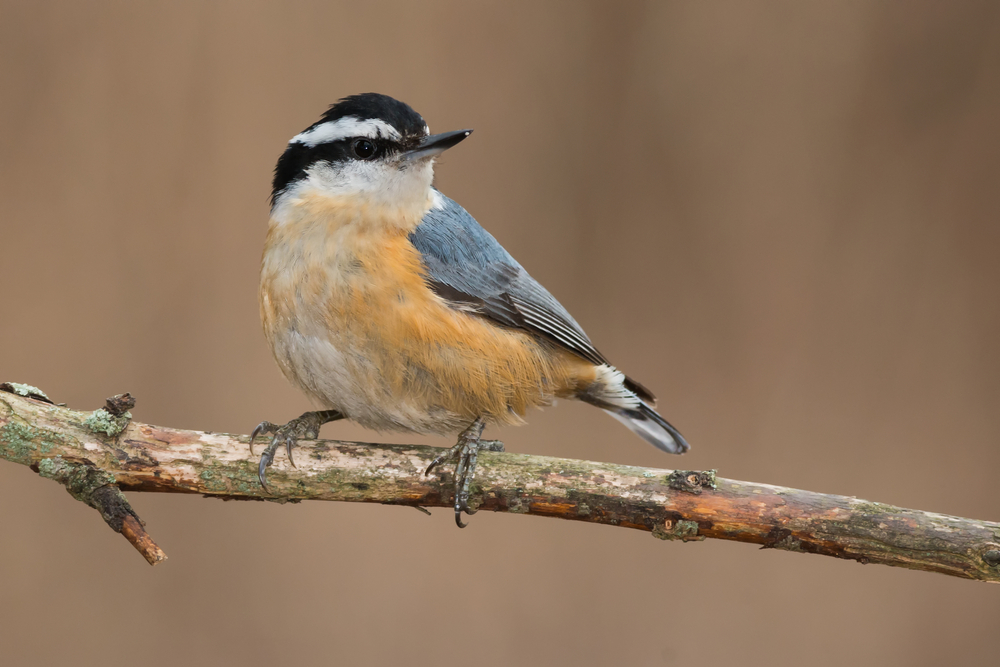
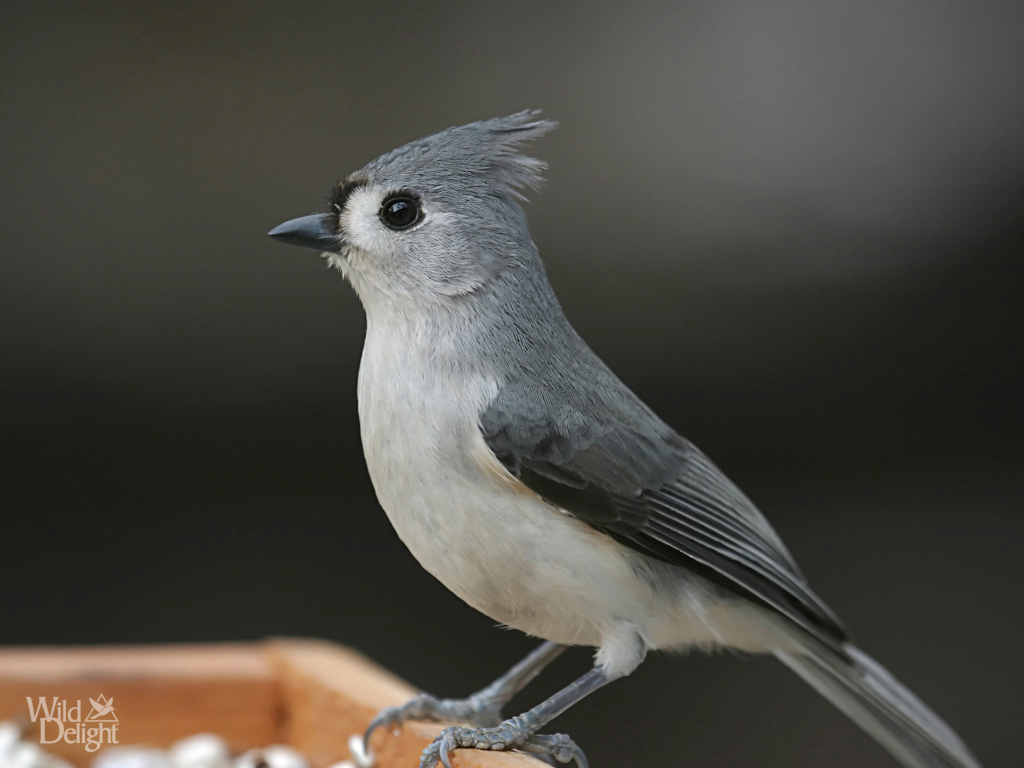
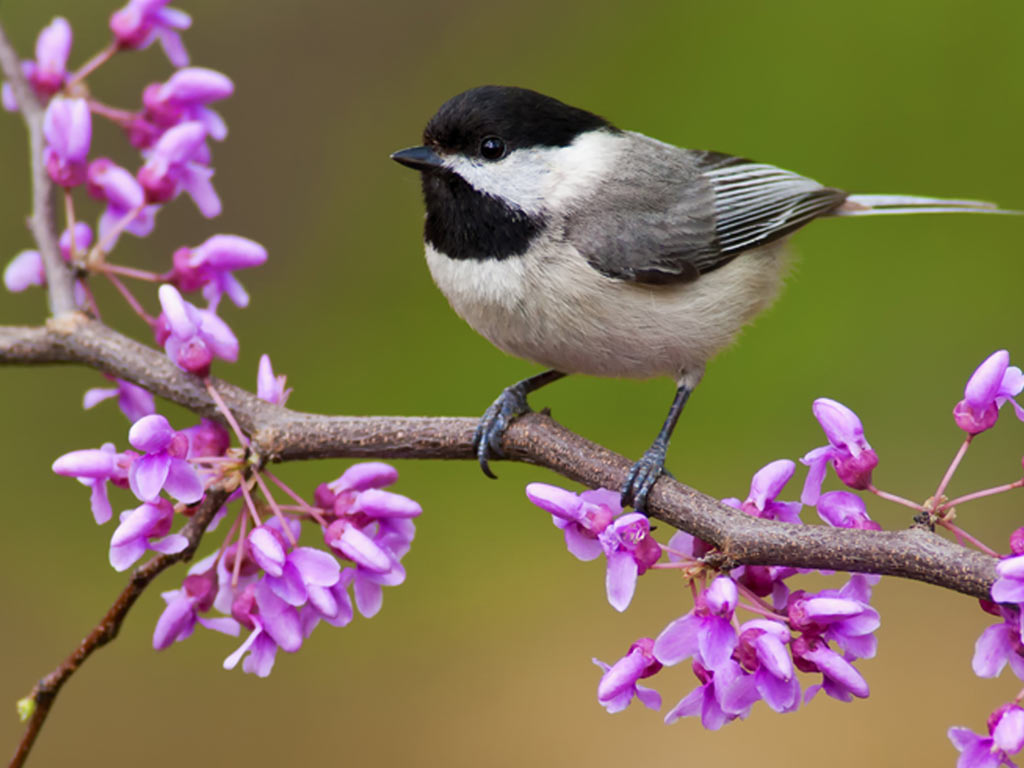
One of the most joyful signs of spring is noticing birds return to our yards. Early arrivals like robins, blackbirds, chickadees, and blue jays show up first, often while mornings are still chilly. As the weeks pass and temperatures rise, we’re joined by later migrants such as warblers, orioles, and hummingbirds, whose journeys depend on the return of insects and blooming plants. The beautiful increase in birdsong we hear is no accident—spring brings longer daylight hours, which triggers birds to sing more actively to claim territory and attract mates. Together, these sights and sounds signal that spring has truly arrived.

Feeding Birds in Spring: What to Offer & Why It Matters

Spring feeding helps birds recover from migration, prepare for nesting, and raise young.

Great ingredients to look for in your bird food to offer April–June:

  1. Black oil sunflower seed – the top choice for attracting the widest variety of birds
  2. Sunflower hearts/chips – easy to eat and creates less mess
  3. Peanuts (shelled or pieces) – loved by jays, chickadees, and woodpeckers
  4. Nyjer (thistle) seed – attracts finches, especially later in spring

Suet tips:

  1. Use suet in early spring only
  2. Remove or switch to no‑melt suet as temperatures warm

Not all spring birds eat seed—many later arrivals, like warblers, rely on insects instead.

How to Attract MORE Spring Birds (Beyond the Feeder)

Food matters—but habitat matters even more in spring.

  1. Add water – A clean birdbath attracts more birds than seed alone, especially during migration.
  2. Plant native trees, shrubs, and flowers – Native plants support insects, which are essential food for nesting birds.
  3. Leave some leaf litter and brush – This provides shelter and food for insect‑eating birds.
  4. Avoid pesticides – Spring insects = baby bird food!
  5. Clean feeders regularly – Warm weather + dirty feeders can spread disease.

Why Spring Sounds So Different

  1. Birds sing more because longer daylight triggers hormones
  2. Males sing to defend territory and attract a mate
  3. Different species arrive in waves, creating changing soundscapes

Morning is often loudest because birds sing most actively at dawn when sound travels best.

Fun Facts About Returning Spring Birds

  1. Some birds travel thousands of miles and return to the same yard year after year
  2. American Goldfinches don’t turn bright yellow until late spring
  3. Many birds time their migration so insects hatch at the exact moment their chicks need food
  4. A single nest of baby birds may require hundreds of insects per day


Deck, Porch N’ Patio®

Zero Waste Fruit Blend

Woodpecker, Nuthatch, N’ Chickadee


Visitors


Use this coupon to save $4.00 off a 4.5 lb. bag or larger on Wild Delight® Fine Sunflower Chips, Deck Porch N’ Patio®, Woodpecker, Nuthatch N’ Chickadee®, and Zero-Waste® Fruit Blend.